About Automatic Co2 Flooding Suppression Refilling
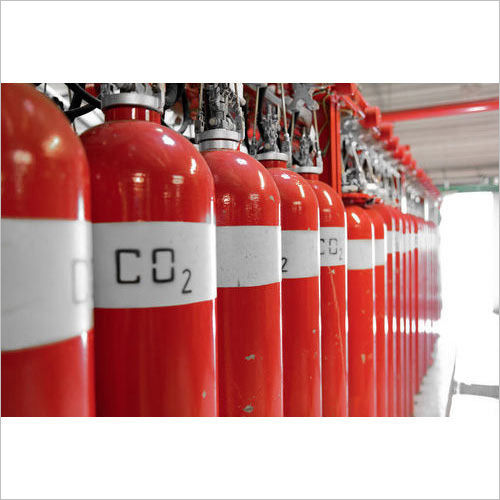
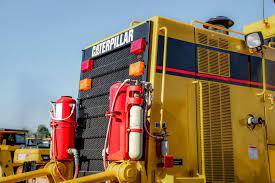
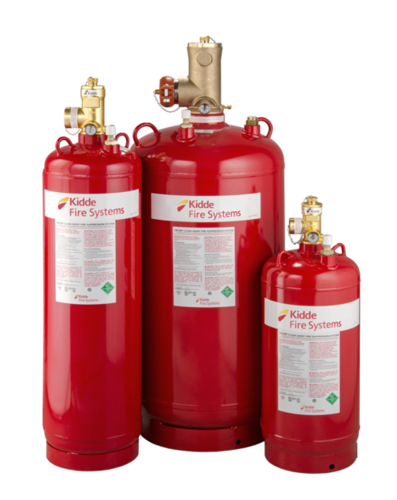
The offered Automatic Co2 Flooding Suppression Refilling is made available by us for use in the various commercial and industrial applications. The CO2 flooding system is used for the evacuating CO2 in the event of a fire, the CO2 gas expands in the event of a fire and reduces the oxygen levels and controls the fire. The offered Automatic Co2 Flooding Suppression Refilling is done for use in the various places. They are very effective and useful.
Reliable and Rapid Fire SuppressionThe system delivers swift extinguishing action, discharging CO2 within 60 seconds and achieving effective coverage across up to 300 m2. The residue-free nature ensures minimal downtime and no damage to sensitive equipment, making it ideal for industrial and electrical environments.
Seamless Refilling and MaintenanceOn-site refilling with standard CO2 tanks accelerates system reset, requiring refill after discharge or during the 5-year maintenance cycle. With robust leakage test pressure (250 Bar) and tamper-proof design, the system emphasizes operational reliability and safety.
Certified Safety and CompatibilityUL Listed, IS: 2878, and CE certified, the system integrates with heat, smoke, and manual detectors, and connects to standard fire alarms via NO/NC contacts. Advanced safety components, such as pressure relief devices and locking pins, enhance user protection and compliance.
FAQ's of Automatic Co2 Flooding Suppression Refilling:
Q: How does the CO2 flooding suppression system operate during a fire emergency?
A: The system automatically activates when a compatible detector, such as heat or smoke, senses fire, or through a manual call point. It releases CO2 using solenoid or pneumatic actuators, dispersing the agent through brass or SS304 nozzles within 60 seconds to rapidly suppress flames in the designated area.
Q: What is the process for refilling CO2 cylinders after system discharge?
A: Refilling is performed on-site by connecting a standard CO2 tank to the system. This process can be done by an authorized dealer, supplier, or service professional in compliance with safety standards, ensuring the system is quickly reset and ready for the next emergency.
Q: When should the system be refilled or maintained?
A: The system must be refilled immediately after a discharge incident. If not activated, a mandatory maintenance and refill check is scheduled every five years to comply with safety regulations and maintain peak performance.
Q: Where should the CO2 flooding cylinders be installed and stored?
A: Cylinders must be positioned indoors, upright, either in wall-mounted arrays or floor-standing units. For additional protection, weatherproof steel enclosures are available, making the solution suitable for various industrial locations across India.
Q: What are the main benefits of using this automatic CO2 suppression system?
A: Key advantages include non-corrosive, eco-friendly operation, rapid and residue-free extinguishing suited for sensitive equipment, multi-zone protection, automatic and manual activation, robust safety features, and fast on-site reset, ensuring maximum fire safety with minimal disruption.
Q: How does the system interface with fire alarm panels and detectors?
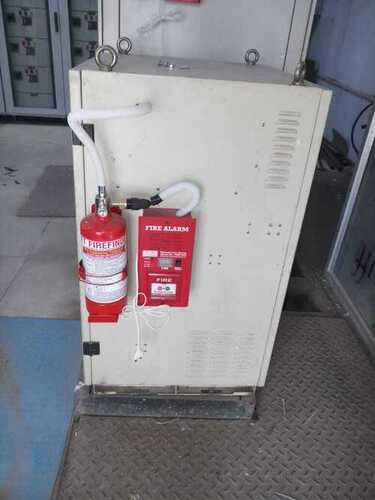
A: The suppression system utilizes a wired relay interface with NO/NC contacts to connect seamlessly with standard fire alarm control panels. It is compatible with heat, smoke, and manual call point detectors for comprehensive fire detection and response.
Q: What safety features are incorporated in the CO2 suppression system?
A: Safety is enhanced by components such as a pressure relief device, locking pin, tamper indicators, and a burst disc with a safety cap, all designed to prevent accidental discharge, system tampering, and ensure safe operation during pressurized CO2 release.

 Send Inquiry




 Send Inquiry


 Send Inquiry


 English
 Spanish
 French
 German
 Italian
 Chinese (Simplified)
 Japanese
 Korean
 Arabic
 Portuguese